This animation explains the principle of professional continuous processes such as spray agglomeration of powders, spray granulation for drying liquids with simultaneous granulate build-up and film/lipid/hotmelt coating for functionalising particles in fluidised bed apparatus with rectangular geometry.
Formulating Feed Additives for Specific Purposes
EuroTier 2026 in Hannover, Germany – November 10 – 13
Save the date and talk to the Glatt team at Booth 21 F23
Protect. Stabilize. Enable Availability.
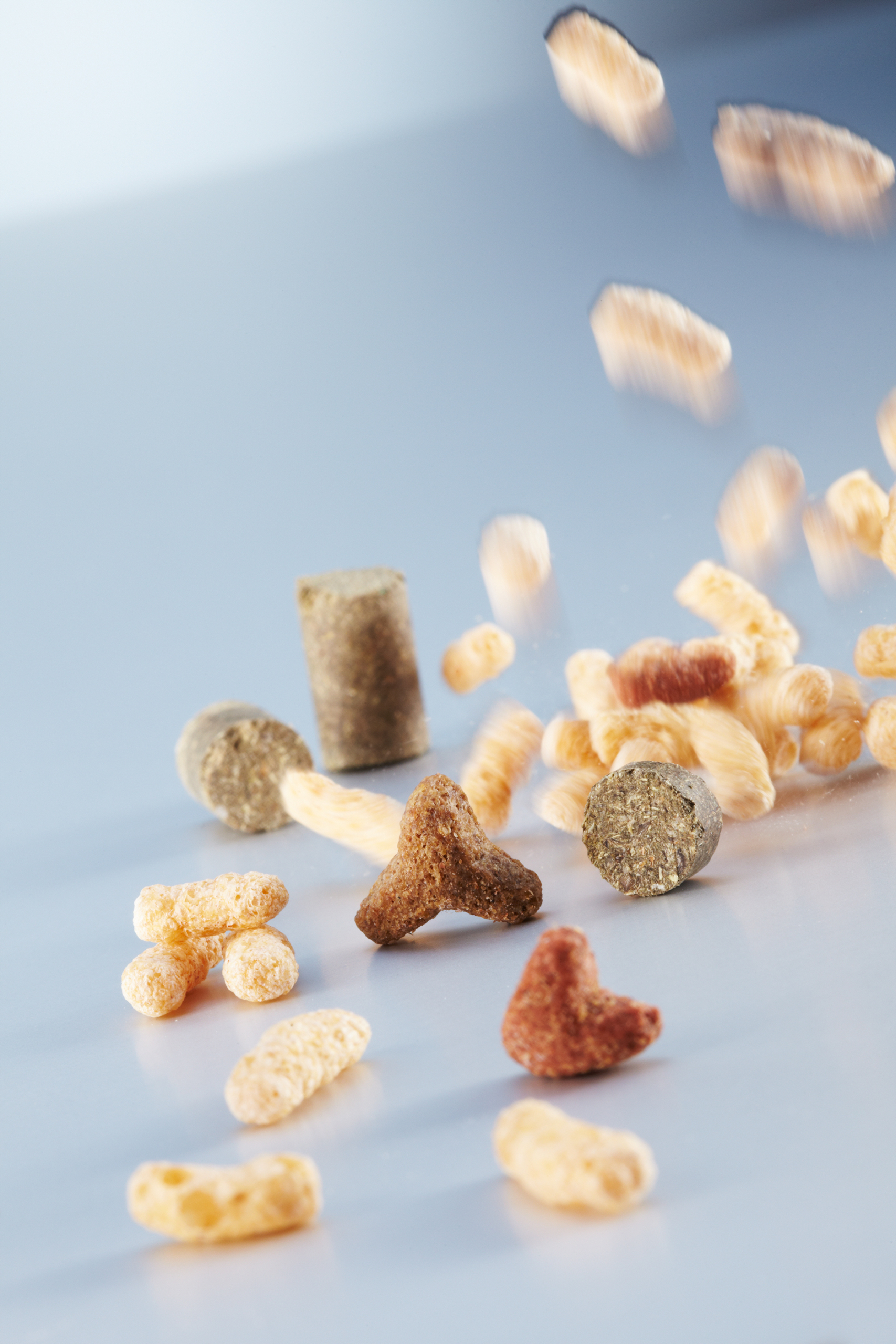
Feed additives must do more than simply perform their intended function. They must be easy to process, store, and dose; withstand external influences; and deliver their intended effect where it is needed.
From November 10 to 13, 2026, the international feed and livestock industry will gather at EuroTier in Hanover. Visit us at Booth 21F23 and learn how modern process technology can be used to specifically functionalize and cost-effectively manufacture feed additives.
The focus will be on applications for enzymes, probiotics, microorganisms, phytogenic substances, amino acids, vitamins, trace elements, mycotoxin binders, and other feed additives.
Three processes. Multiple possibilities.
Produce stable and free-flowing granules by using fluidized bed and spouted bed spray granulation, coating, and microencapsulation for animal feed mixtures. Product properties such as:
- the protection of sensitive enzymes and microorganisms,
- the controlled release of active ingredients,
- the masking of undesirable taste and sensory characteristics,
- improved processing and bioavailability of minerals and trace elements
can be specifically adjusted.

Protecting active ingredients
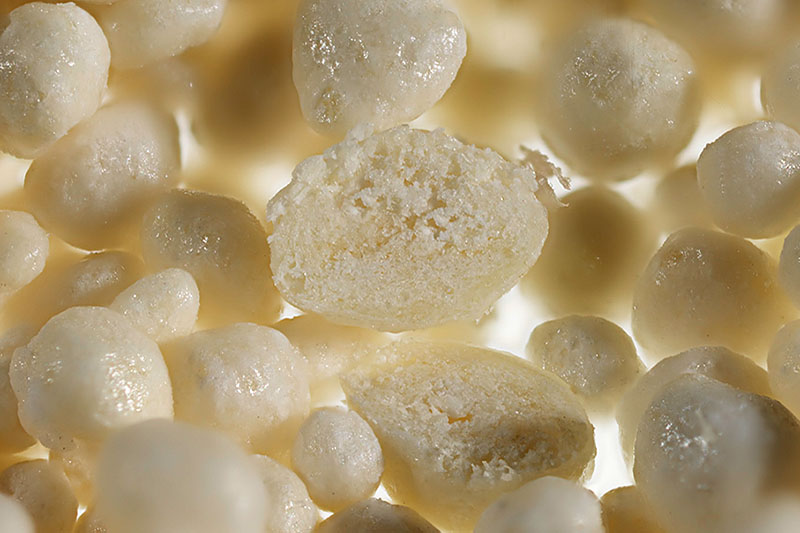
Enzymes, yeasts, and other microorganisms can be sensitive to moisture, oxygen, temperature, and mechanical stress. A functional coating can help maintain the product’s stability and activity during storage and further processing.
This is relevant, for example, when feed additives are subsequently extruded or compressed.
Typical products: Enzymes such as phytase, protease, amylase, and lipase; yeasts; microorganisms; and carotenoids.
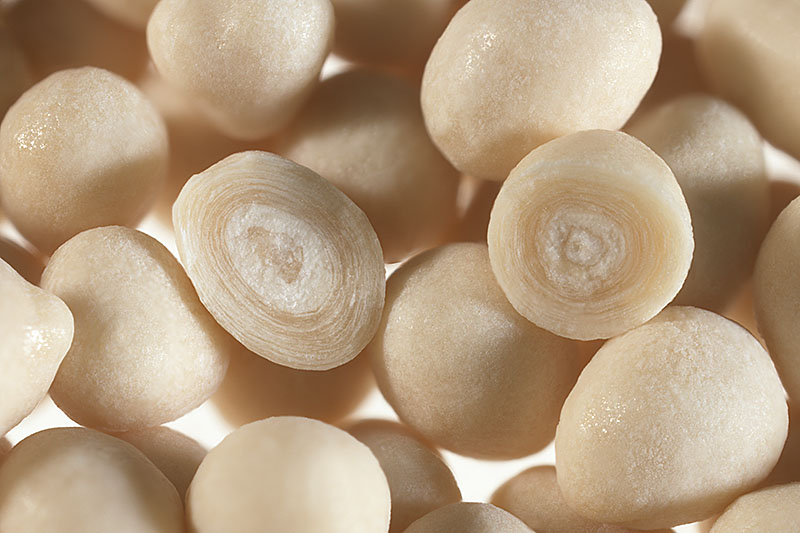
Enzymes, coating
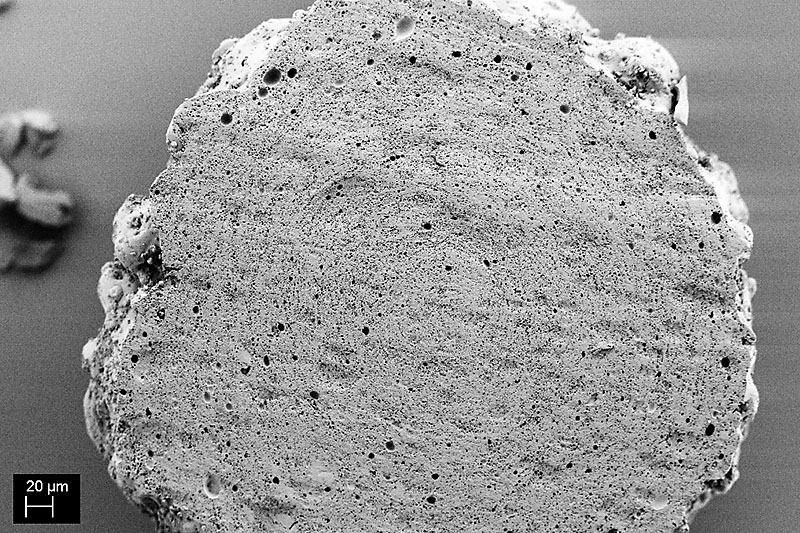
Essential oil, matrix micro-encapsulation, SEM
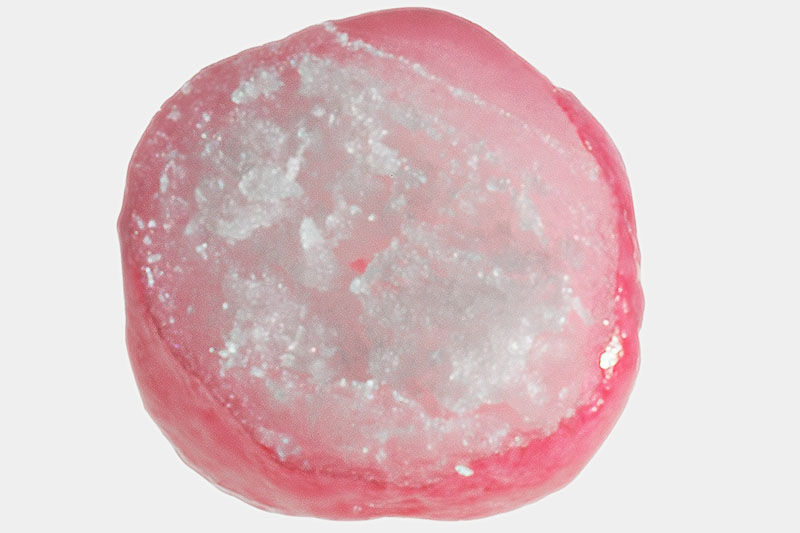
Lysine, coated, lipid coating
Controlling release in a targeted manner
Some active ingredients are not intended to be available immediately, but only at a specific point in the digestive system.
The release can be controlled using a specially designed coating. One example is protected methionine for ruminants, which is designed to pass through the initial stages of digestion and become available only later.
Vitamin B12, coating
Masking taste and irritation
Certain active ingredients are difficult to use due to their taste or irritating effects. Microencapsulation and coating can mask these properties.
One example is capsaicin: when microencapsulated, the active ingredient can be converted into a suitable product form and used specifically in feed applications.
Lysine, spray granulation
Formulating minerals into the right product form
In glycinates, lysinates, and chelates, minerals such as iron, zinc, copper, or manganese are organically bound. These compounds are of interest for their good bioavailability.
Spray granulation can be used to produce defined, easy-to-handle granules from these compounds—for direct incorporation into feed mixtures or further processing via pressing and extrusion.
Shall we meet at booth 21 F23 at the EuroTier?
Further information on this topic and related topics can also be found in the following publications:
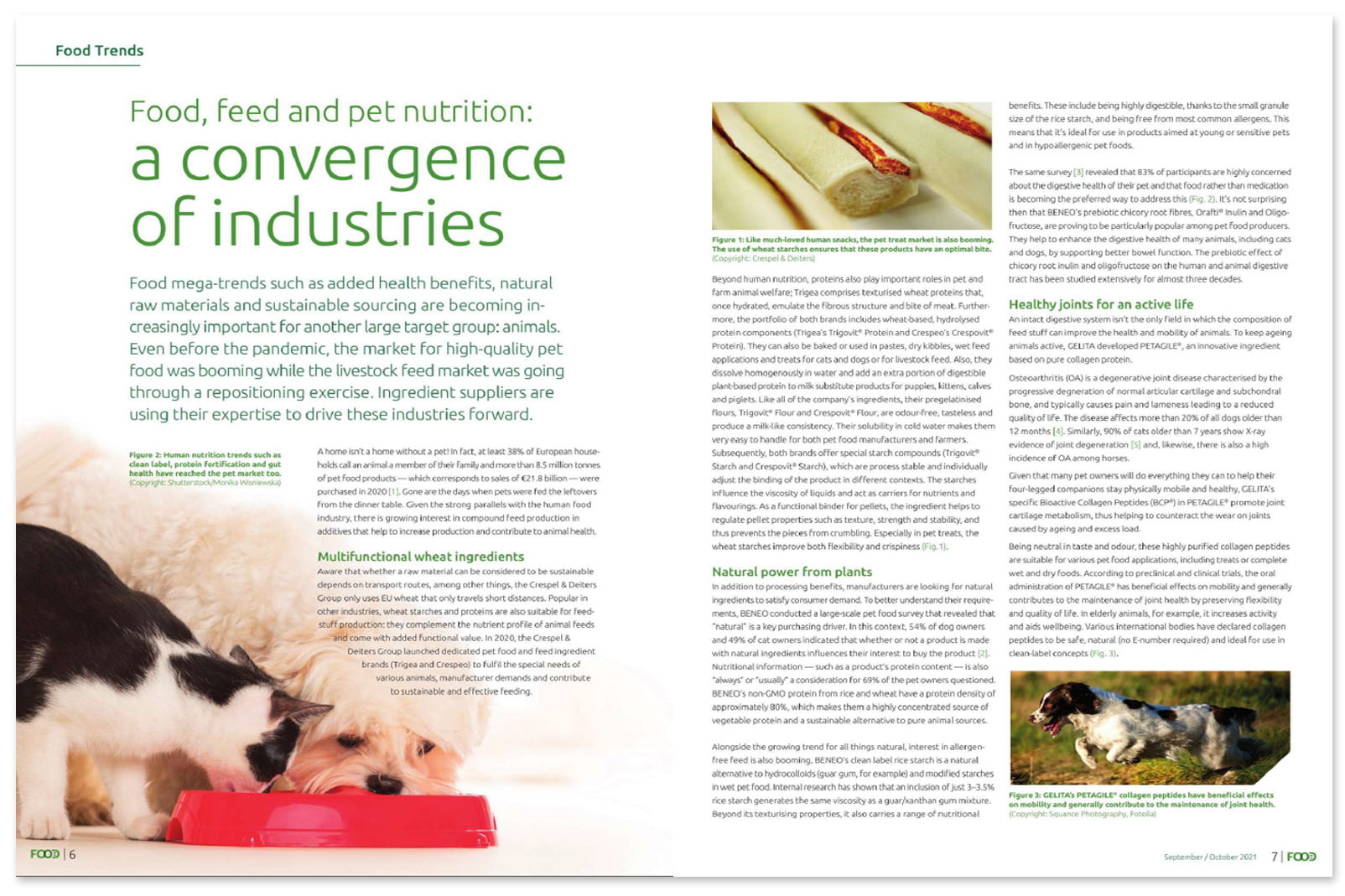
Published article: ‘Food, feed and pet nutrition:
a convergence of industries’ PDF, English
Glatt Technical Paper: ‘Gentle granulation of emulsions’. PDF, German
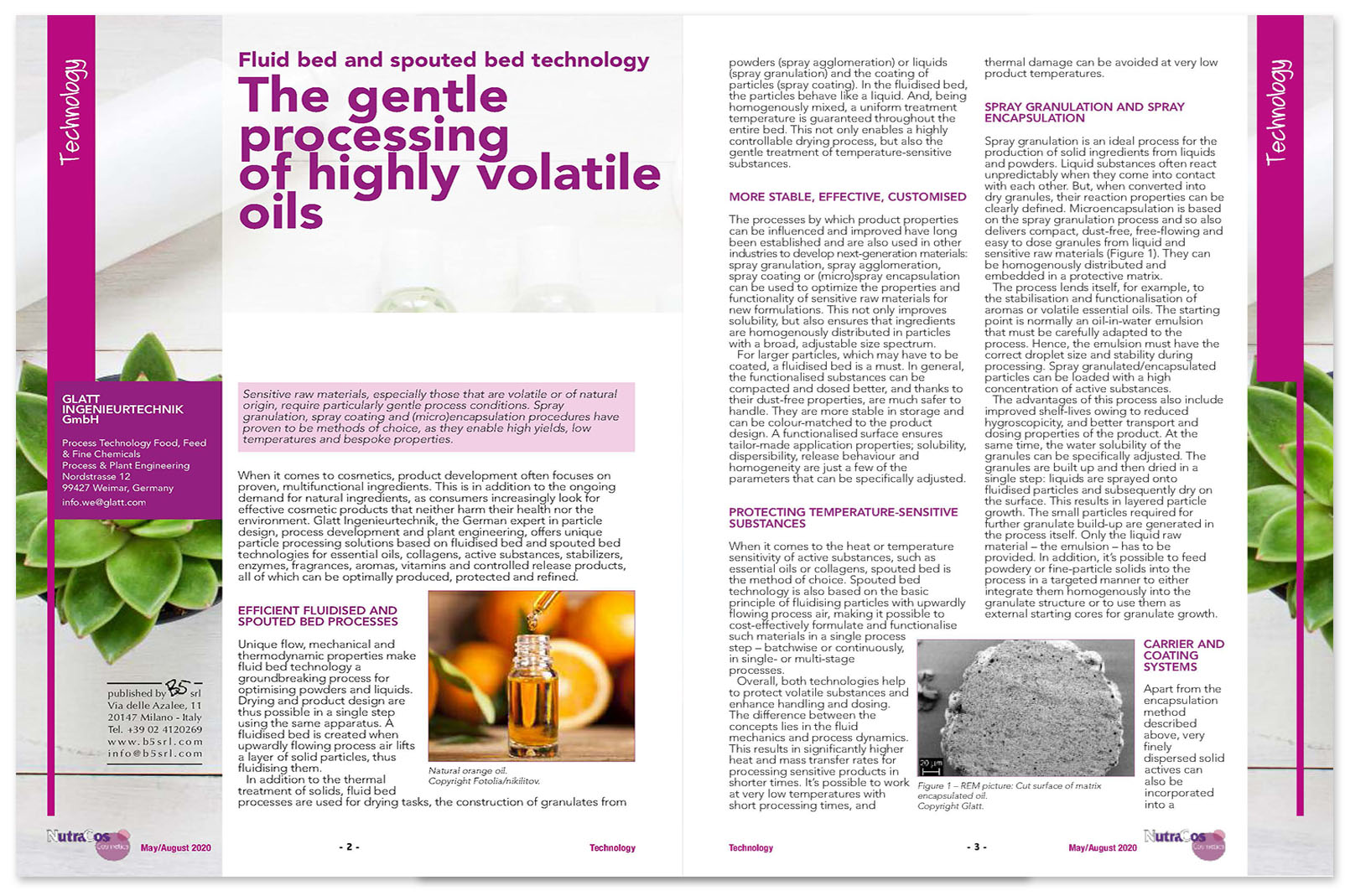
Published article: ‘The gentle processing of highly volatile oils by fluid bed and spouted bed technology’ PDF, English
Published article: ‘Spray (micro)encapsulation of sensitive substances in matrix form – An overview of essential oil and vitamin case studies’ PDF, English
Published article: ‘With short time-to-market from process development directly to contract manufacturing’ PDF, English Reprint


Copyright: Glatt